What Are Drones? An Overview of Unmanned Aerial Systems
Unmanned Aerial Vehicles, or Drones
As you're likely familiar, unmanned aerial vehicles ( UAVs )—commonly referred to as drones —are aircraft that operate without a human pilot onboard. They can be controlled remotely or programmed to fly autonomously using onboard computers and sensors. Drones come in various shapes and sizes, ranging from small quadcopters for recreational use to larger, more sophisticated models for commercial and industrial applications. Equipped with technologies like cameras, GPS, and advanced flight systems, drones are used for tasks such as aerial photography, delivery, mapping, inspection, and even racing. Their versatility and ease of use make them a revolutionary tool in industries and hobbies worldwide.
Types of Drones
There are 3 most common types of drones:
Multicopter Drones
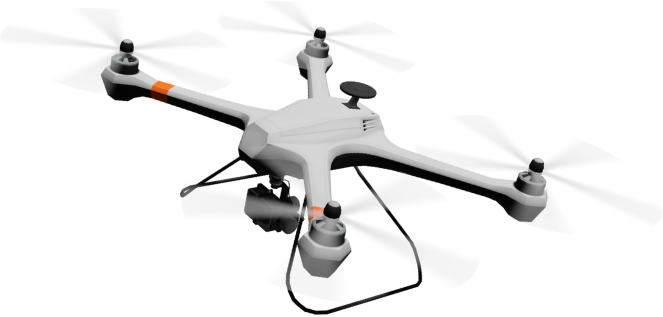
Multicopter (also called 'multirotor') drones have several spinning propellers (usually 4, 6, or 8) that let them hover in place and move in all directions. They are easy to control and are popular for taking pictures, making videos, or just flying for fun.
Fixed-Wing Drones
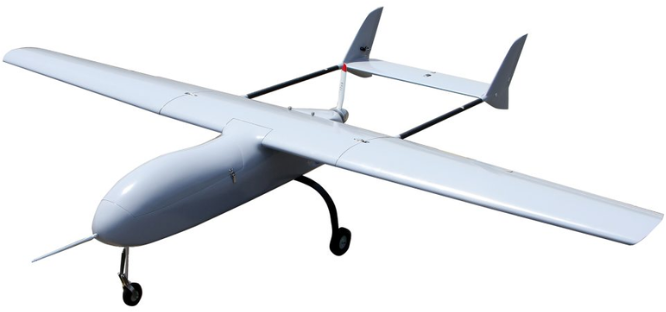
Fixed-wing drones look like small airplanes, with wings that help them stay in the air as they move forward. They are great for flying long distances and are often used for jobs like mapping big areas or delivering items far away.
VTOL Drones
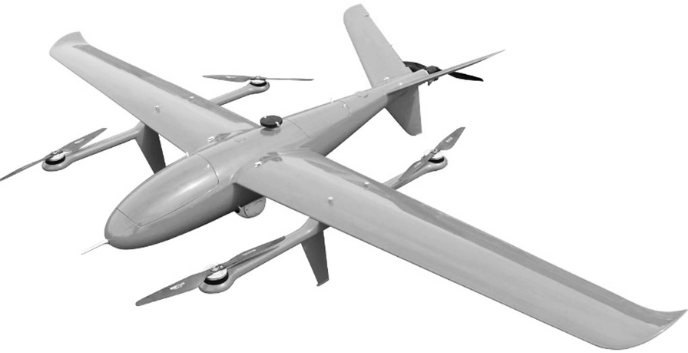
VTOL drones are a mix of fixed-wing and multirotor drones. They can take off like a helicopter and fly like an airplane, making them perfect for missions that need both flexibility and long flight times, like searching for lost people or checking big farms.
In this course we will learn how to design multicopter-type drones, which is the most commonly used type of drone.
Drone Applications and Benefits
Drones are used in many different fields because of their ability to fly, hover, and capture detailed information from the air. Here are some common applications:
- Farming: Monitoring crops, spreading seeds, or applying fertilizer.
- Delivery Services: Quickly transporting packages.
- Wildlife Research: Studying animals in hard-to-reach places.
- Emergency Response: Finding lost people or delivering medicine to remote areas.
- Film and Photography: Capturing stunning views for movies and videos.
- Recreation: Flying for fun, such as racing, or using First-Person View (FPV) goggles for immersive experiences.
One of the biggest benefits of drones is their ability to do dangerous or difficult tasks without putting people at risk. They can fly into areas unsafe for humans, like disaster zones or high above the ground for inspections. Drones are also fast and cost-effective, making them a great tool for industries, education, and recreation. With their wide range of uses, drones are changing the way we work, learn, and explore.