Exploring FPV Drones: First-Person View Technology
How FPV Drones Differ from Other Types of Drones
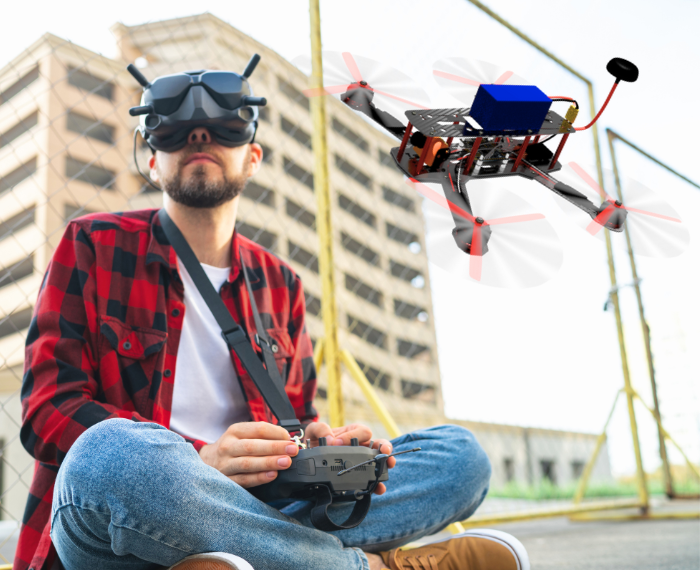
FPV (First-Person View) drones are designed for immersive, high-speed flight, offering a unique experience that sets them apart from other types of drones. Unlike traditional drones used for photography, mapping, or general recreational flying, FPV drones are tailored for agility, speed, and pilot engagement. Below, we explore the key differences in their subcomponents and how these contribute to the distinct nature of FPV drones:
-
Airframe
FPV drone airframes are typically compact, lightweight, and built for durability. They are often made from carbon fiber or similar materials to withstand crashes, a common occurrence during high-speed flights or racing. The airframe is designed with a low profile to minimize drag and maximize maneuverability, prioritizing performance over aesthetic features like those seen in photography drones. -
Batteries
FPV drones use high-performance lithium-polymer (LiPo) batteries, which provide a high discharge rate to support the power demands of their motors. Unlike standard drones, which focus on extended flight times, FPV drones prioritize delivering bursts of power for rapid acceleration and agility. Consequently, FPV drone batteries are smaller but require frequent recharging compared to batteries in consumer drones designed for endurance. -
Motors
The motors in FPV drones are optimized for speed and torque, often with higher KV (RPM per volt) ratings than those in standard drones. These brushless motors provide the quick throttle response necessary for racing and acrobatic maneuvers, trading off efficiency for raw power. Standard drones, in contrast, typically use lower-KV motors for smoother flight and greater stability. -
Propellers
FPV drone propellers are designed for maximum thrust and responsiveness, with configurations that vary depending on the type of flying (e.g., racing, freestyle, or cinematic FPV). They are usually smaller, with aggressive pitch angles to enhance acceleration and agility. In comparison, standard drones use larger, more efficient propellers to optimize flight time and stability. -
FPV Gear
The defining feature of FPV drones is their first-person view system, which includes a camera, video transmitter (VTX), and goggles or monitors. The onboard FPV camera captures real-time video, which is transmitted to the pilot through the VTX. Pilots wear specialized FPV goggles that provide an immersive experience, allowing them to see exactly what the drone sees. The low-latency video feed is critical for precise control at high speeds. Standard drones, in contrast, often use cameras for recording or photography with higher resolution but higher latency, which is unsuitable for FPV flight.
FPV drones stand out as a specialized category, built for adrenaline-filled, skill-intensive flying. Each component is fine-tuned for performance, speed, and pilot immersion, making them a favorite for drone racing and freestyle enthusiasts.